New Zealand (NZL)
 Read MoreNew Zealand (NZL)

Understanding Work Across the Pacific Frontier
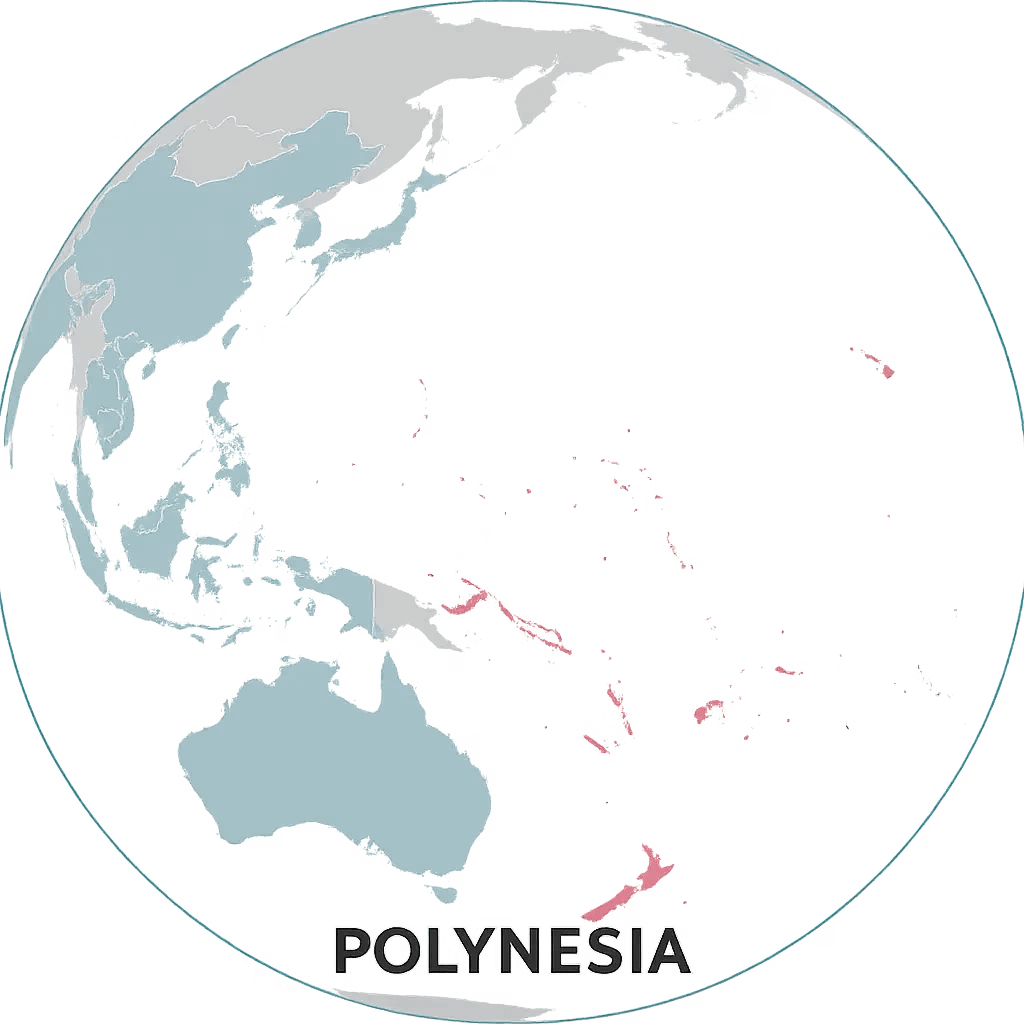
Polynesia is defined by a cultural triangle stretching from Hawai‘i in the north, to New Zealand (Aotearoa) in the southwest, and Rapa Nui (Easter Island) in the southeast.
Polynesia stretches across the world’s largest ocean, but remains one of the most overlooked regions in global HR strategy. It includes independent nations, overseas territories, and self-governing states in free association, all with distinct systems of law, language, and labor. For organizations expanding globally, this presents both complexity and opportunity.
Workforce models here don’t always follow the patterns seen in larger economies. Informality is common, legal systems vary widely in their origin and application, and employment relationships are often shaped as much by community structures as by contracts.
This guide is designed for practitioners who work globally but think locally, those responsible for compliance, mobility, or workforce design in contexts where no two jurisdictions look the same. Whether you’re managing a remote team in Tahiti, setting up payroll in American Samoa, or exploring partnerships in Tonga, understanding Polynesia means navigating a patchwork of legal systems, economic realities, and cultural norms.
HR DADA sees Polynesia as more than a logistical challenge, it’s a proving ground for adaptive, human-centered employment practices, where the future of work is already being shaped, quietly and intentionally, at the edge of conventional maps.
Samoa
Tonga
Tuvalu
New Zealand (Aotearoa)
American Samoa (U.S. territory)
French Polynesia (France)
Cook Islands (associated with New Zealand)
Niue (associated with New Zealand)
Tokelau (New Zealand territory)
Wallis and Futuna (France)
Pitcairn Islands (UK territory)
Hawai‘i (U.S. state)
Rapa Nui / Easter Island (Chile, as part of Valparaíso Region)