

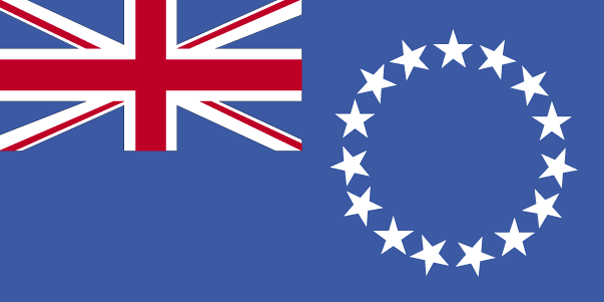
Country Language:
English, Cook Islands Māori
Country Currency:
(NZD) New Zealand Dollar
Location
Country Labor Law References & Information
| Law / Regulation | Scope, Remarks | Official Source |
|---|---|---|
| Employment Relations Act 2012 (+ Amendments) | Core employment framework — covers individual & collective agreements, union rights, dispute resolution, health & safety. | ERA 2012 PDF – IntAff https://www.intaff.gov.ck/downloads/ |
| Prohibition of Forced or Compulsory Labour Ordinance | Criminalises forced and compulsory labour; supports child-labour protections. | https://www.intaff.gov.ck/downloads/ |
| Industrial & Labour Ordinance | Early labour standards regulates working conditions, industrial relations. | https://www.intaff.gov.ck/downloads/ |
| Immigration Act 2021 | Regulates employment of foreign workers, includes permit rules and labour protections. | Immigration Act PDF https://mfai.gov.ck/ |
| Minimum Wage Order | Sets the statutory minimum wage, its continuation is reinforced by ERA transitional provisions. | https://www.intaff.gov.ck/downloads/ |
| General Employment Legislation Repository | Centralised source for all labour and employment laws, regulations, and amendments. | Legislation Index – PacLII |
| ILO NATLEX – Cook Islands | ILO database covering Cook Islands’ labour laws and ratified international labour conventions. | Legislation Index |
🏛️ Labour Regulation Institutions Cook Islands
| Institution | Role & Functions | Official Website |
|---|---|---|
| Ministry of Internal Affairs (INTAFF) | Primary authority for employment policy, labour inspections, workplace health and safety, union relations, and implementation of the Employment Relations Act. | https://www.intaff.gov.ck |
| Labour & Employment Relations Office | Sub-unit under INTAFF responsible for enforcing the Employment Relations Act 2012, dispute resolution, and employment contract oversight. | https://www.intaff.gov.ck/labour |
| Crown Law Office | Provides legal interpretation and support on labour-related legislation and prosecutes breaches of employment law. | https://www.crownlaw.gov.ck |
| Ministry of Finance and Economic Management (MFEM) | Oversees tax policies, employer contributions, and economic planning, including the impact of employment on fiscal development. | https://www.mfem.gov.ck |
| Ministry of Foreign Affairs and Immigration (MFAI) | Manages immigration permits for foreign workers, reviews employer sponsorships, and ensures labour market compliance through the Immigration Act. | https://www.mfai.gov.ck |
| Cook Islands National Superannuation Fund (CINSF) | Manages the mandatory pension scheme for workers, including employer-employee contribution compliance. | https://www.cinsf.com |
| Cook Islands Workers Association (CIWA) | Registered trade union body representing workers’ rights and participating in tripartite consultation processes with government and employers. | No direct website, union operates under INTAFF guidance |
🇨🇰 Labour Law in the Cook Islands
The labour law framework in the Cook Islands is shaped by a hybrid system that integrates modern employment standards with legacy ordinances, all administered through a centralized and relatively compact institutional structure. The foundational Employment Relations Act 2012 governs the majority of employment matters, including individual and collective employment agreements, workplace conditions, union participation, and dispute resolution mechanisms. This legislation was designed to modernize the regulatory landscape and align it with international labour standards.
Employment relationships in the Cook Islands are legally formalized and must follow minimum standards for wages, hours, termination procedures, and occupational safety. Although the minimum wage continues to be regulated through prior orders carried forward under the 2012 Act, enforcement capacity remains localized through the Ministry of Internal Affairs and its Labour & Employment Relations Office. Workplace inspections and contract compliance are prioritized in key sectors such as tourism, construction, and civil service.
Labour protections extend to both citizens and foreign workers, with additional oversight provided through the Immigration Act 2021. This act governs the issuance of work permits, employer responsibilities, and prioritization of local hiring. Foreign employees must be sponsored by employers and meet both skill and language requirements, ensuring alignment with national development goals.
Social protection mechanisms are anchored in the Cook Islands National Superannuation Fund (CINSF), which mandates employer and employee contributions to long-term retirement savings. While comprehensive health and unemployment insurance frameworks are less formalized than in larger economies, core provisions for workplace injury and leave are embedded within the Employment Relations Act and related ordinances.
Health and safety standards are addressed both within general employment law and through targeted codes of practice, though implementation is limited by institutional scale. Legal interpretation and enforcement are supported by the Crown Law Office, which plays a central role in resolving legal ambiguities and prosecuting non-compliance.
The Cook Islands maintains a labour framework that is legally sound, relatively simple, and administratively centralized. It emphasizes contract-based employment, clear employer duties, and the growing inclusion of international labour norms, reflecting the country’s efforts to balance small-scale governance with high standards of worker protection.
TOP Job Boards – Cook Islands
| Platform | Link | Description |
|---|---|---|
| Ministry of Internal Affairs Labour Office | https://www.intaff.gov.ck/labour | Official employment portal for public job postings, employment notices, and worker guidelines. |
| Cook Islands Public Service Commission (PSC) | https://www.psc.gov.ck | Lists civil service vacancies across ministries and agencies; includes forms and hiring policies. |
| Cook Islands Jobs Facebook Groups | https://www.facebook.com (search: Jobs in Cook Islands) | Informal but active channels for local job openings in tourism, trades, and small businesses. |
| Pacific Islands Jobs (Regional) | https://www.pacificislandjobs.com/ | Regional listings that occasionally include Cook Islands roles, especially in NGOs and education. |
| Seek | https://www.seek.com.au/pacific-islands-jobs/in-Cook-Islands | Regional listings that include Cook Islands roles |
🧭 Navigating the Cook Islands Job Market
The job market in the Cook Islands is shaped by its small population, strong public sector presence, and dependence on tourism, services, and development partnerships. Formal employment opportunities are often advertised through centralized government channels, while informal recruitment and word-of-mouth continue to play a significant role in the private sector.
🔵 For Employers
Hiring in the Cook Islands requires careful adherence to the Employment Relations Act, which mandates formal contracts and fair labour practices. Employers, especially those in tourism, construction, and public service, are encouraged to post vacancies through the Ministry of Internal Affairs Labour Office or the Public Service Commission to ensure transparency and compliance. For small businesses, social media and local classifieds remain effective for reaching local candidates. However, foreign worker recruitment must comply with the Immigration Act, including obtaining appropriate work permits and meeting local-first hiring expectations.
🔵 For Job Seekers
Job seekers should start with government platforms like intaff.gov.ck and psc.gov.ck, which centralize most public sector openings. Engagement with local Facebook job groups and the regional platforms like SEEK offers additional access to hospitality, retail, and skilled trade positions. Those with international qualifications or interest in NGO or development work should monitor regional platforms such as Pacific Islands Jobs and UN Jobs for rare but high-value listings in the country.
Navigating the Landscape
Success in the Cook Islands job market often comes down to community engagement, reputation, and flexibility. Employers value cultural sensitivity and local knowledge, while job seekers benefit from having personal networks and readiness to take on multiple roles in smaller organizations. Given the island context, recruitment cycles may align more with local events, seasonal tourism trends, and project-based funding rather than conventional business quarters.
This page is intended as a general reference guide to the most commonly used job boards and key employment-related resources in the country, including links to local labor laws where available. While HR DADA strives to keep this information current, we update these listings periodically to reflect changes in market trends, platform relevance, and regulatory updates. For the most accurate and tailored guidance, whether for compliance, recruitment strategy, or HR market entry, we recommend reaching out directly to the HR DADA team via chat space.crew@hrdada.com.


