In the realm of modern work culture, the evolution of the traditional workplace has become imperative. Companies worldwide have been forced to adapt to the rapidly changing dynamics of the contemporary workforce. However, one outdated human resources (HR) practice that continues to impede progress is the prohibition of personalized workspaces.
The Human Element as Neglected Aspect
A workspace is more than just a physical environment; it is an extension of an individual’s identity, creativity, and personal expression. By stifling the opportunity for employees to personalize their workstations, employers inadvertently ignore the importance of the human element in fostering a thriving work environment. Human beings are inherently diverse, and allowing them to express themselves through their workspace enhances their sense of belonging, self-worth, and engagement with their work.
Productivity Through Personalization
The claim that prohibiting personalized workspaces enhances productivity is misguided and disconnected from reality. In fact, research suggests that individuals who are allowed to personalize their workstations exhibit higher levels of job satisfaction, which, in turn, positively influences their productivity and overall performance. When employees are permitted to surround themselves with items of personal significance, such as photographs, plants, or mementos, they develop a stronger emotional connection to their workspace, thus promoting a more enthusiastic and motivated approach to their tasks.
Creativity Unleashed
One of the greatest assets a company can possess is a creative workforce. Personalized workspaces can significantly contribute to the unlocking of employees’ creative potential. A personalized environment fosters a sense of ownership and autonomy, empowering individuals to think freely, experiment with new ideas, and challenge the status quo. By encouraging personalization, organizations demonstrate their commitment to cultivating a culture that values innovation and originality, which are essential drivers of success in today’s rapidly evolving business landscape.
Expression and Well-Being
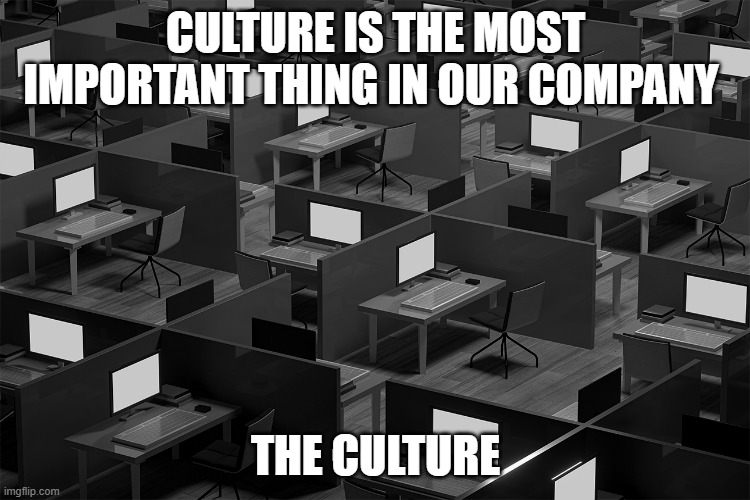
A sterile, impersonal workspace can have adverse effects on an individual’s mental and emotional well-being. Employees spend a significant portion of their lives in their work environment, and a bland, generic setup can contribute to feelings of dissatisfaction, disconnection, and even stress. Personalizing one’s workspace, on the other hand, allows employees to create an environment that reflects their personality, comfort, and individual needs. This personal touch can contribute to a greater sense of contentment, reducing stress levels and ultimately leading to improved mental health and overall well-being.
Fostering a Collaborative Culture
In the face of an ever-evolving professional landscape, organizations must shed archaic practices and embrace new approaches to support their employees’ growth and success. The prohibition of personalized workspaces belongs to an era where conformity and rigidity were mistaken for productivity. By discarding this outdated HR practice, companies can nurture a more inclusive, engaging, and forward-thinking workplace culture that empowers individuals to excel and reach their full potential.
The prohibition of personalized workspaces is an antiquated HR practice that hampers individuality, creativity, and well-being within the workplace. Employers must recognize the intrinsic value of personal expression and embrace the transformative power of allowing employees to personalize their workstations.